WHEEL TALK

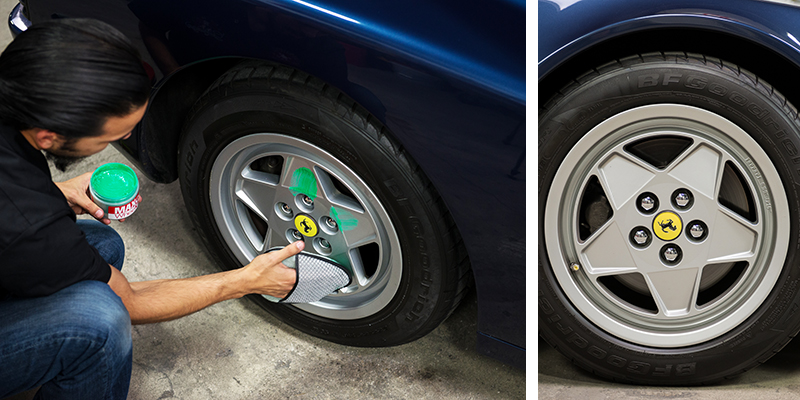
Just like your car's paint needs protection from the elements, your wheels require protection too. There are wheel products specifically designed to protect your wheels. These products are no longer only available to car enthusiasts or wheel shops. Although there are different types, and go by different brand names, they are commonly known as wheel sealants/waxes.

Similar to car wax, these sealants and waxes form a protective layer between a wheel's surface and the harsh elements. The products are meant to improve and maintain the pristine condition of your wheels. They protect against dirt, brake dust, tar, and even from scratches and scrapes. When looking for a wheel sealant/wax look for products marked explicitly able to repel brake dust. If left on a wheel for a prolonged period (even a matter of a few weeks), brake dust is capable of eating through your wheel's clear coat. Brake dust can also lead to corrosion on aluminum and chrome-plated wheels.

Washing and cleaning treated wheels will never be easier. The contaminants do not penetrate the protective barrier formed by the sealant/wax and are repelled. Those that do manage to stick on to the wheels can be quickly and effortlessly taken off with a soft-bristled brush. When rinsing with water, there will be few chances for water spots because the water will just run off. To increase the life of your wheels and the sealant/wax, we recommend thoroughly drying your wheels and tires.

If you would like to learn how to wash and clean your wheels, please check out our previous article on preventing wheel corrosion.
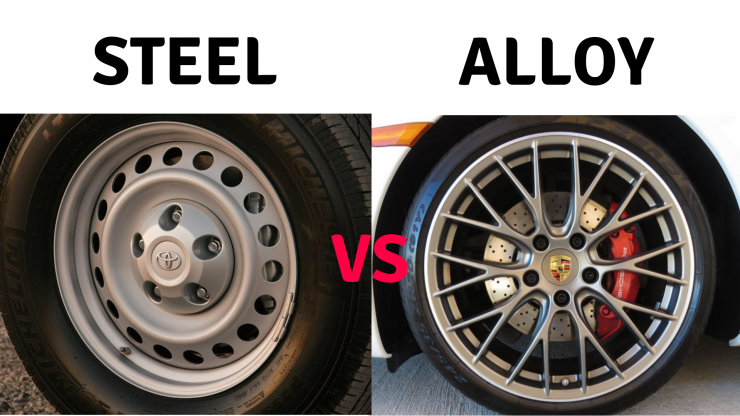
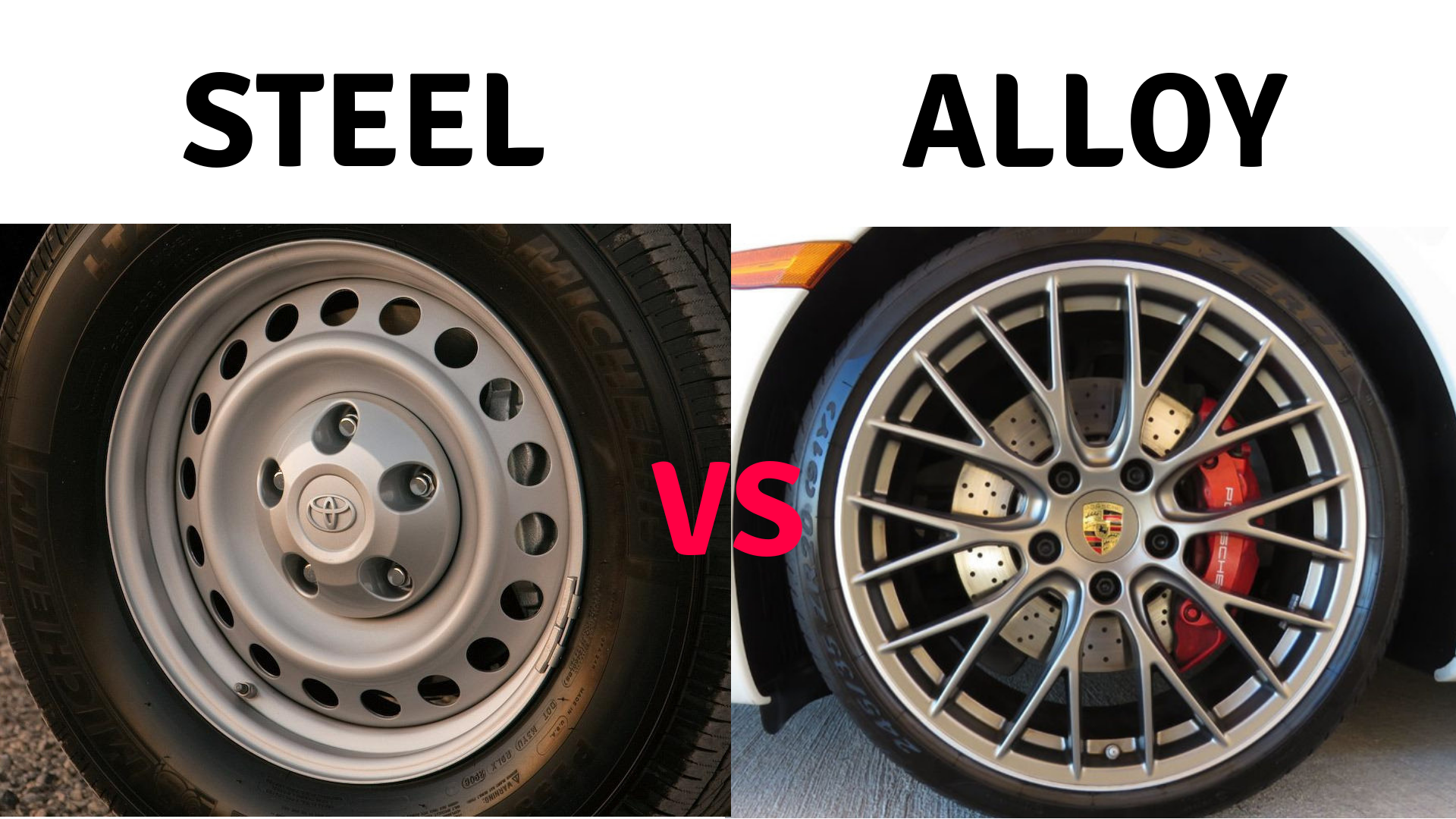
There are two different types of wheels: Steel and Alloy. We will go over what differentiates them apart, as well as their advantages and disadvantages.

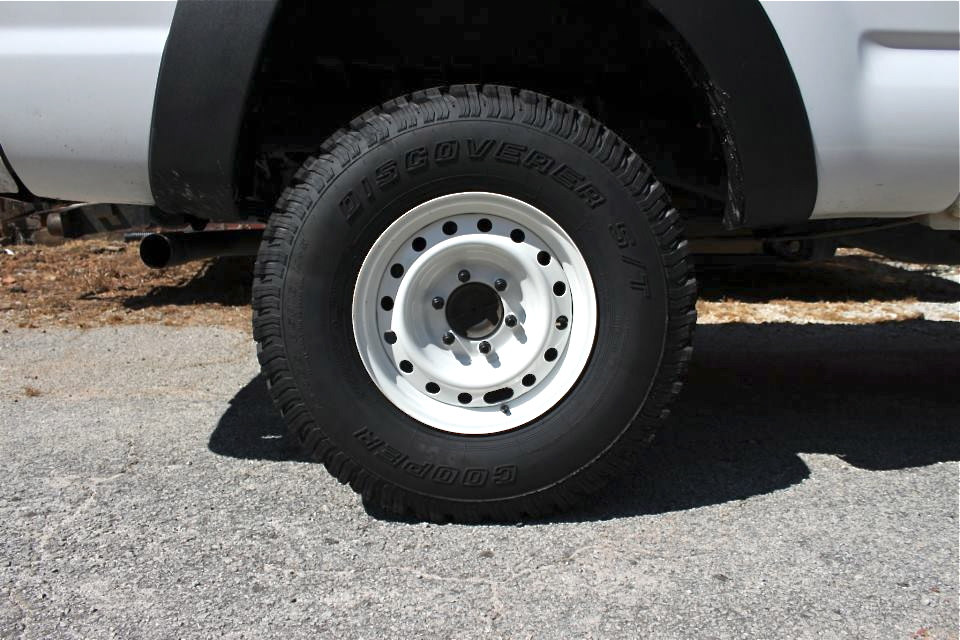
As the name implies, steel wheels are manufactured from steel. You will notice steel wheels are much simpler in appearance than alloy wheels. They generally come in minimal styles and are available in black, silver, and white finishes. Due to their simplicity, hubcaps tend to cover them for aesthetic purposes. Steel is heavier than aluminum alloy; therefore, steel wheels will have slower acceleration. They are rather inexpensive to purchase and replace; however, don't let the price fool you. If you live in a very sandy area or the desert, your car may be equipped with them. Steel wheels are great for off-roading. This is due to how durable steel is, and the extra weight from the wheels provides excellent traction. This also makes them great for driving on snow.  

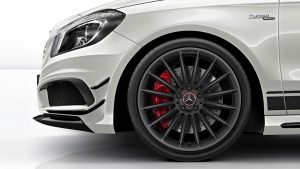
On the other spectrum, we have alloy wheels. They are much more aesthetically attractive. They are available in unlimited styles, finishes, and colors. Just a simple online search will pull up hundreds, if not thousands of different choices. Because they tend to be lighter than steel wheels, they are better for handling and acceleration. This is the reason they are equipped on sportier cars. There are a few drawbacks though. In addition to being more expensive to maintain, they are prone to damage. Curb rashes and corrosion from acids and salts will hinder an alloy's wheel appearance and performance.

You should take into account the differences mentioned above when deciding which type of wheel to buy. If you are ready to purchase, our online store carries both steel and alloy wheels for all makes and models.


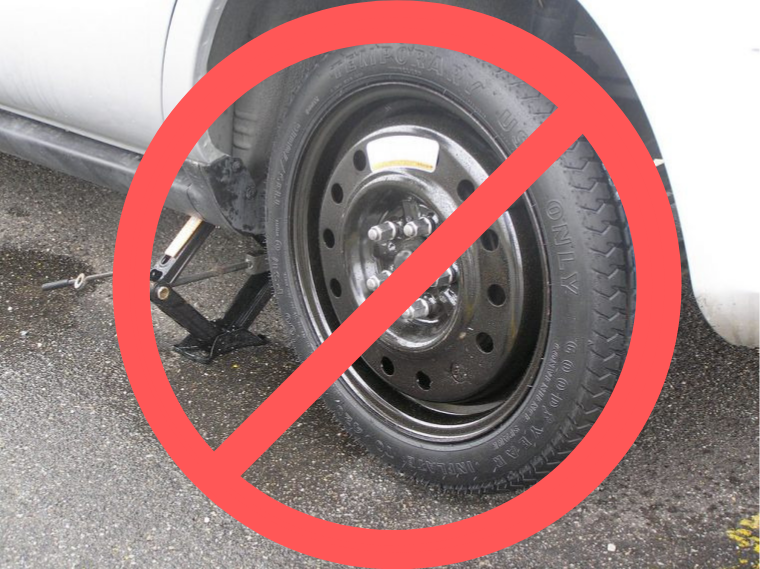
According to a recent report by the AAA, a third of all new cars sold in the United States are not sold with spare tires. The same report found 136 vehicle models that do not include spare tires as stand equipment. Instead, they are offered as an option for an additional charge. An estimated 30 million cars sold in the last ten years, were not factory equipped with spare tires. This percentage might increase as automakers search for different ways to reduce weight in vehicles and improve fuel economy.

Some of these vehicles lacking spare tires come equipped with standard run-flats. They can be safely driven up to 50 mph and offer 100 miles of range. Other automobiles come equipped with tire inflation kits. The kits generally come with sealants and a compressor to re-inflate the tire. It should be noted; however, the kits will not be able to fix all tire punctures, in particular, any sidewall damages or blowouts. It should also be noted some tire manufacturers declare tires to be unrepairable once the sealant is applied. The sealant can also prevent the tire-pressure monitoring system from working correctly and may need to be replaced.

The majority of vehicle owners who are not aware if their car comes with a spare tire will most likely to come to that realization when they need it the most: when they are on the side of the road with a flat tire. We recommend all drivers be prepared in case of a flat tire or blowout. To be prepared, every car owner should know whether their vehicle has a spare tire. If the car does not come equipped with a spare tire, it's recommended drivers either purchase a spare or verify their automobile comes fitted with either a tire-inflation kit or run-flat tires.

If you are interested in purchasing a tire, please check out our Take-Off Tires page.

Should you upgrade to wider wheels? This article explains the differences between a regular tire and wider tire. The size and width of your tires will directly determine how your car will handle.

Dry Roads

There is nothing more dry roads love than rubber. If you have the need for speed, then wider tires are for you. The extra traction provided by the wider tires will allow your car to accelerate quicker. The increase in surface area will directly improve stability. The stiffer sidewall will allow you to take sharper corners due to less vehicle roll, while the extra grip will reduce braking distance. The smaller sidewall will also give your car a more low-profile appearance.

Wet Conditions

Although wide tires are great for the summer, they won't perform the best in rainy conditions. If your tires were not meant to handle all weather types or rain, we advise you to adjust your speed, avoid puddles, and drive carefully. There are wide tires made specifically for all weather/rain. These have rain grooves that are efficient in removing water from contact surface.

Drawbacks

There will be a decrease in fuel economy. The larger width of the tire will increase the surface contact with the road/tarmac. The wheels will also generally be heavier than regular wheels. Although this is great for handling, the combination of both will lead to an increase in rolling resistance. To the average person; however, the decrease in fuel economy will be too small to notice. When traveling at a constant speed of 60 miles per hour, the reduction in mileage can be negligible.

Pirelli hasn't reinvented the wheel. They have simply made it better. Pirelli combines tire performance with technology to create the world's first smart tire. Meet Pirelli Connesso. Translated from Italian, connesso means "connected".

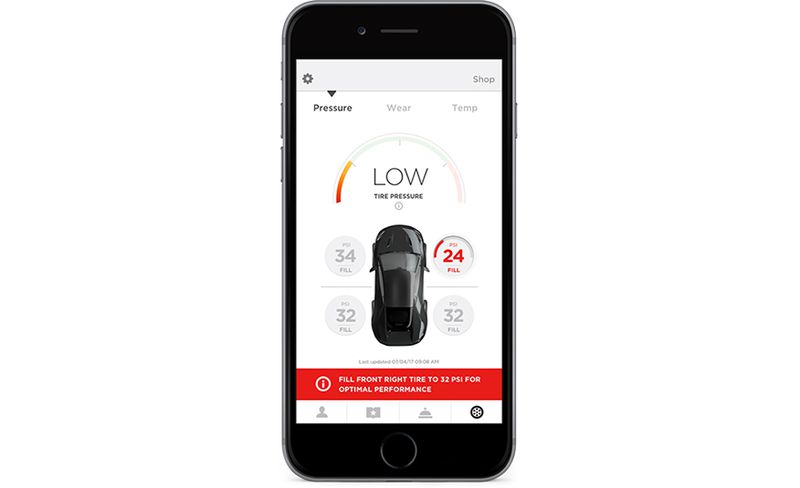
Instead of using the usual tire pressure monitoring system (TPMS), the tires come equipped with sensors built into the tire's grooves and inner wall. These sensors can report tire pressure, inside temperature, and load data that is communicated in real time. With the use of Bluetooth, they work through the Pirelli cloud and with applications found oniOS and Android based devices.

The system is able to store historical data regarding mileage, maintenance, wear, and road conditions.  The data collected through the IoT cloud-based system will allow for predictive tire maintenance. For the average person this might not matter much; however, this might be highly beneficial for fleet service managers.

Thanks to app alerts, the tires can notify the user when tire pressure changes and when the tire is worn down. Through the Pirelli application, a user is able to identify the closet tire shop and book an appointment.

No word has been given on availability yet, as Pirelli has been working with automakers to introduce these as factory tires. The first production car expected to benefit from the Pirello Connesso tires is the Ferrari FXX. Only time will tell when these tires make it to regular average cars.

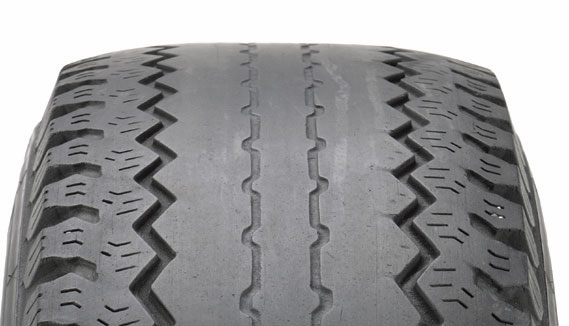
Tires are expected to wear out evenly and gradually over their lifetime. Irregular tread wear may occur for multiple reasons and could be signs of problems with your vehicle. Below are the most common different types of tire wear. Check the list below to stay up to date.

1. Center Wear

Tire tread is only worn down the center and not very much on the sides. The most common cause of this is driving with over-inflated tires. When a tire is over-inflated, the tire balloons out more in the center. This prevents the tire from making full contact with the road. To avoid this make sure all 4 tires are correctly inflated. Consult your owner's manual if you don't know your vehicle's tire pressure.


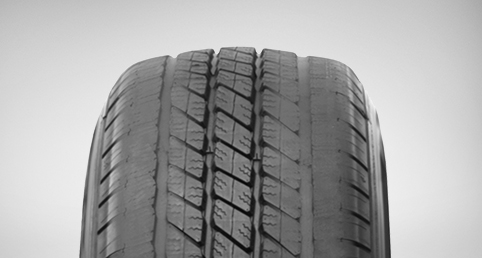
2. Side Wear

Side wear is the complete opposite of center wear. The tire will have worn down shoulders but will have a strip of normal-looking tread at the center. The cause of this is driving with under-inflated tires. When a tire is under-inflated, the shoulders make contact with the road and push the center inward. To prevent this make sure all 4 tires are properly inflated. Consult your owner's manual if you don't know your vehicle's tire pressure.


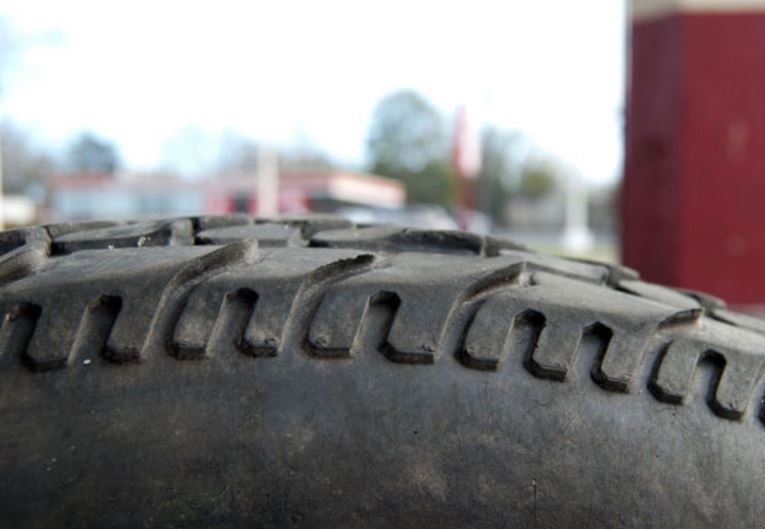
3. Cupping Wear

Cupped tires will have random worn-down patches all over them. Commonly characterized as if someone shaved some parts of the tread. Having worn out shocks and struts are the main culprits. Shocks and struts are meant to prevent your car from bouncing up and down when driving over a bump. When the vehicle is bouncing continuously, the tires do not maintain constant contact with the road surface. This bouncing causes the rubber to prematurely wear down in certain areas. Unbalanced tires and wheels may also lead to cupped tires.

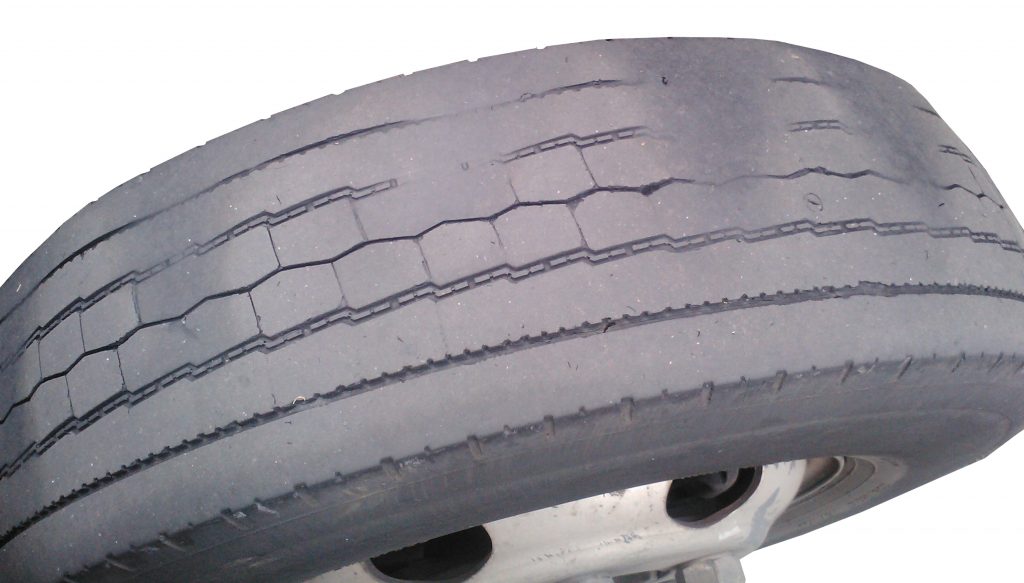
4. Feathering

Feathering refers to when the tread blocks are worn down on one side but have reasonable wear on the other. While this wear can be spotted visually, it is quite easy to feel feathering when you run your fingers along the tire tread. There are two common culprits. Misaligned wheels most commonly lead to feathered tires. Aggressive driving also leads to feathered wear, especially high-speed cornering.


5. Sidewall Wear

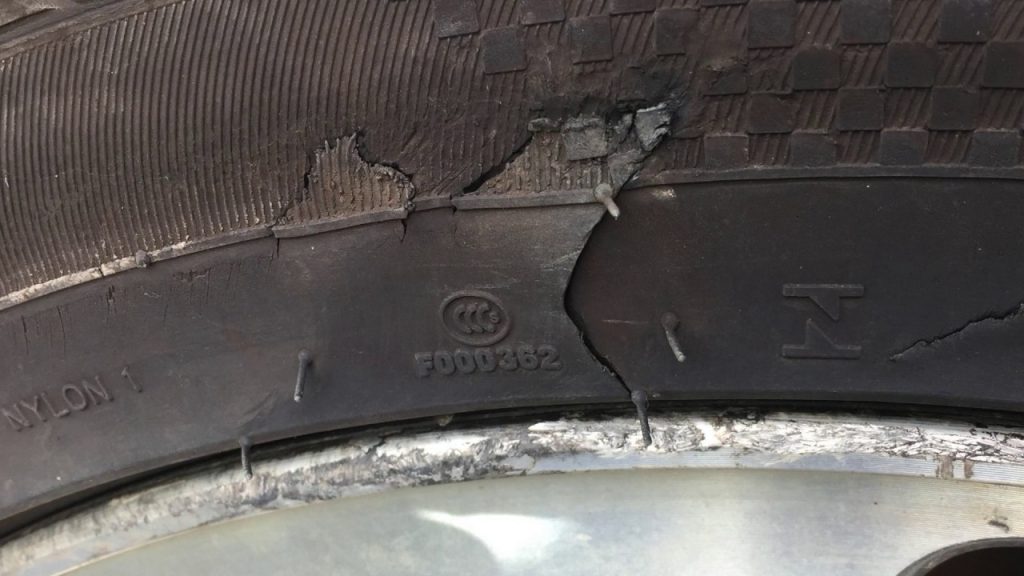
Sidewall wear is caused by drivers parking too close to the curb and scraping the sidewall against it. If the damage is too extreme, the sidewall wear can cause the tire’s core to weaken. This is considered highly dangerous especially if driving at highway speeds.


It is recommended you regularly check your tires' tread depths and wear conditions. This will allow you to know when it is time to replace your tires and can also help you detect potential car problems. This will get the most value out of your vehicle and tires.


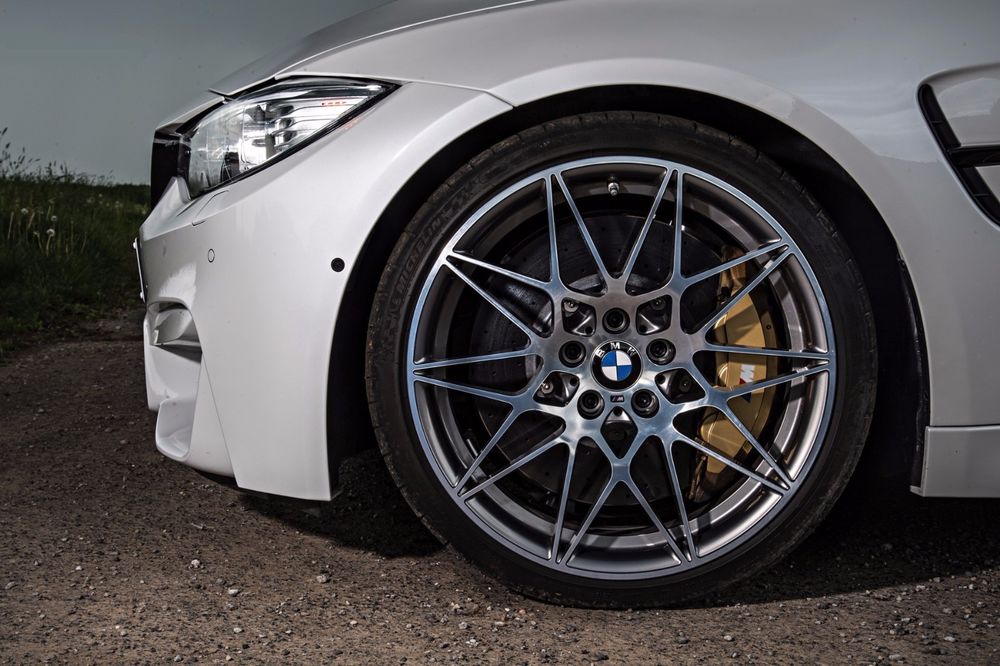
Replica Wheels are exactly what the name implies. They are meant to be exact copies of OEM wheels and rims. Replica wheels aim to be at least 90% visually and structurally the same as the original. Because of this, a replica wheel can be equally durable as an OEM wheel. A proper replica wheel should also be indistinguishable from an OEM wheel.

Replica wheels are quite popular in the luxury and sports-car community. This stems from people being able to obtain good quality alternative wheels from reputable manufacturers.  Although cheaply made replica wheels do exist, a good quality replica wheel will not be cheap. Even when compared to OEM wheels, good quality replica wheels will be much less expensive.

If you have any further questions regarding replica wheels, check out this article on OEM vs. Replica vs. Aftermarket wheels.
Have more questions about wheels and rims? see our FAQ for answers about OEM wheels, shipping, and more.

Although they may look the same, not all tires are designed to perform the same. The capabilities you desire, the type of car you drive, and the conditions you drive in will dictate the type of tire you should buy. Read the following to get a much better understanding of the different types of tires.

All Season Tires

A jack of all trades but master of none. These tires are perfect for driving in most conditions but not designed to handle extreme weather conditions. The majority of cars sold today are sold with all season tires. These are perfect for drivers who live in areas that don't experience extreme cold, rain, ice, or snow.

All-Terrain Tires (Off-Road)

These tires are designed to tackle off-road driving. They tend to be larger in size and have deep grooves in the tires. These grooves provide extreme traction in off-road conditions.

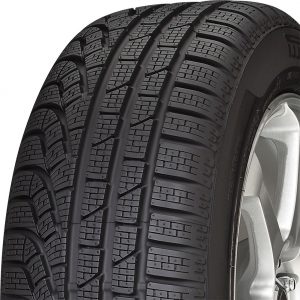
Winter (Snow Tires)

Winter tires are specifically designed to perform in winter conditions. In the extreme cold, the rubber remains soft. This allows the tire to maintain traction and provide stability.

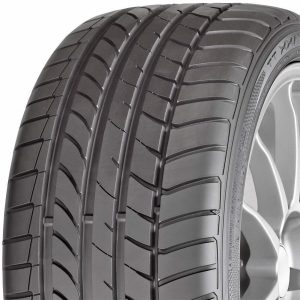
High Performance Tires

These tires are rated for high speeds. High-performance tires are low-profile and have superior cornering and stopping performance. Although initially meant for high-performance sports cars, quite a few cars of today have high-performance tires.


Now that you know the different types of tires, stay informed and read this article on tire rotation.

According to the National Insurance Crime Bureau, thieves working in groups can make off with your rims in a matter of minutes. Here are four ways to help prevent your wheels from being stolen, as advised by the NICB and the Tire Industry Association:

1. Use Wheel Locks

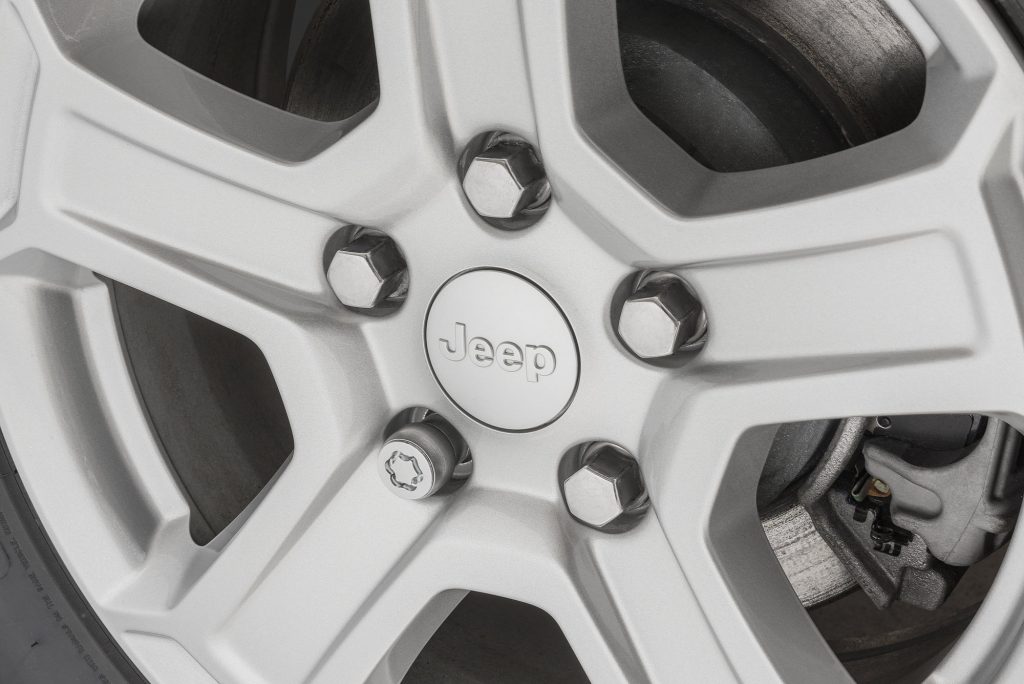
Wheel locks install in place of your car’s lug nuts. They are similar to a lug nut (and sometimes indistinguishable) but require a special anti-theft tool (key) for installation and removal that comes with the set. Wheel locks are virtually impossible to remove.  Wheel locks leave just enough room for the required key to fit around them and don't leave any space for a prying tool.

2. Use a Car Alarm

If you buy an anti-theft car alarm, opt for an advanced one. These types of alarms can detect if the vehicle gets titled and lifted off of the ground. More advanced alarms also come equipped with wheel sensors that detect if the wheels get tampered with.

3. Park in High-Traffic Areas

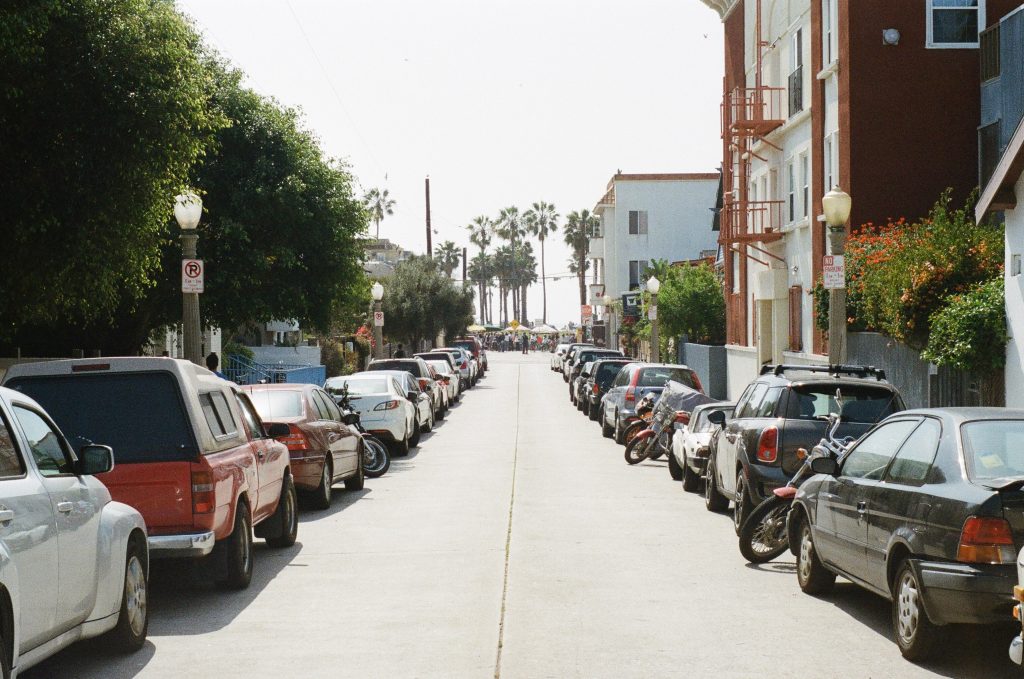
It is recommended that all cars be parked in a garage; however, not everyone has access to one. If you don't have garage, try to find parking on busier streets. These streets should have a greater traffic and pedestrian presence, as well as be more lit at night. This will easily deter criminals because they prefer to work at night and with the confidence that no one will walk by. If possible, park in direct view of surveillance cameras to increase safety measures.

4. Park Close To The Curb

Park as close as possible to the curb to deter would-be thieves. Lifting a car with a jack requires space. This means thieves are less likely to attempt a theft if the proximity to the curb is too tight. Turning the steering wheel toward the curb when parking will also make the wheels harder to remove. Be careful not to scrape your tires and rims on the curb. Should you scrape your rims on the curb, please read this article on repairs.

Do you need Wheel Accessories?

What exactly can be considered a wheel accessory? There are a few items regarded as wheel accessories are as follows:

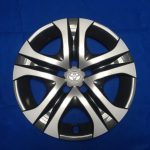
Hubcaps: 

Are plastic or metal shaped "caps" the attach to your steel wheel, they look like your typical rim to conceal the less appealing look of a steel wheel.


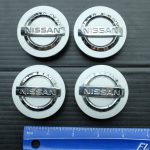
Center Caps Caps:

Caps vary in shape and sizes. Standard caps are a flat shaped and round. Some are at the center of the wheel. Some of them can be plain and the same color as the wheel itself. Others have the vehicle brand logo imprinted. Wule others may be customized or aftermarket for extra eye appeal. These accessories are readily available at most auto parts shops or wheel shops. 


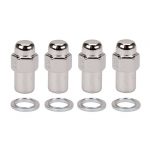
Wheel Lugs:

Are created to secure the wheel studs for proper axles functions.


Hub Rings:

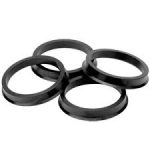
Hub rings are used to fill the space between the wheel hub and the center bore of the rim.


Wheel Lips:

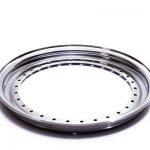
Wheel lips are an add-on item for flare or special appearance


Wheel Spacers:

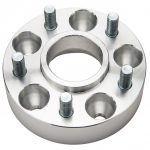
are used as wheel adjusters for a couple of reasons.

1. To change the wheel bolt pattern.

2. To widen an offset of the wheel.